Upgrade Your Outdoor Area: Expert Garden Design Tips for a Gorgeous Home Landscape
Turning an exterior area into a beautiful residential landscape requires thoughtful strategy and deliberate action. By evaluating the features of a yard, residents can establish specific garden objectives. Selecting vegetation that suit the regional conditions is essential. Furthermore, incorporating practical hardscaping elements improves both visual appeal and practical function. Yet, the process won't conclude there. Learning how to sustain beauty and sustainability can take any landscape higher. What approaches guarantee long-term success?
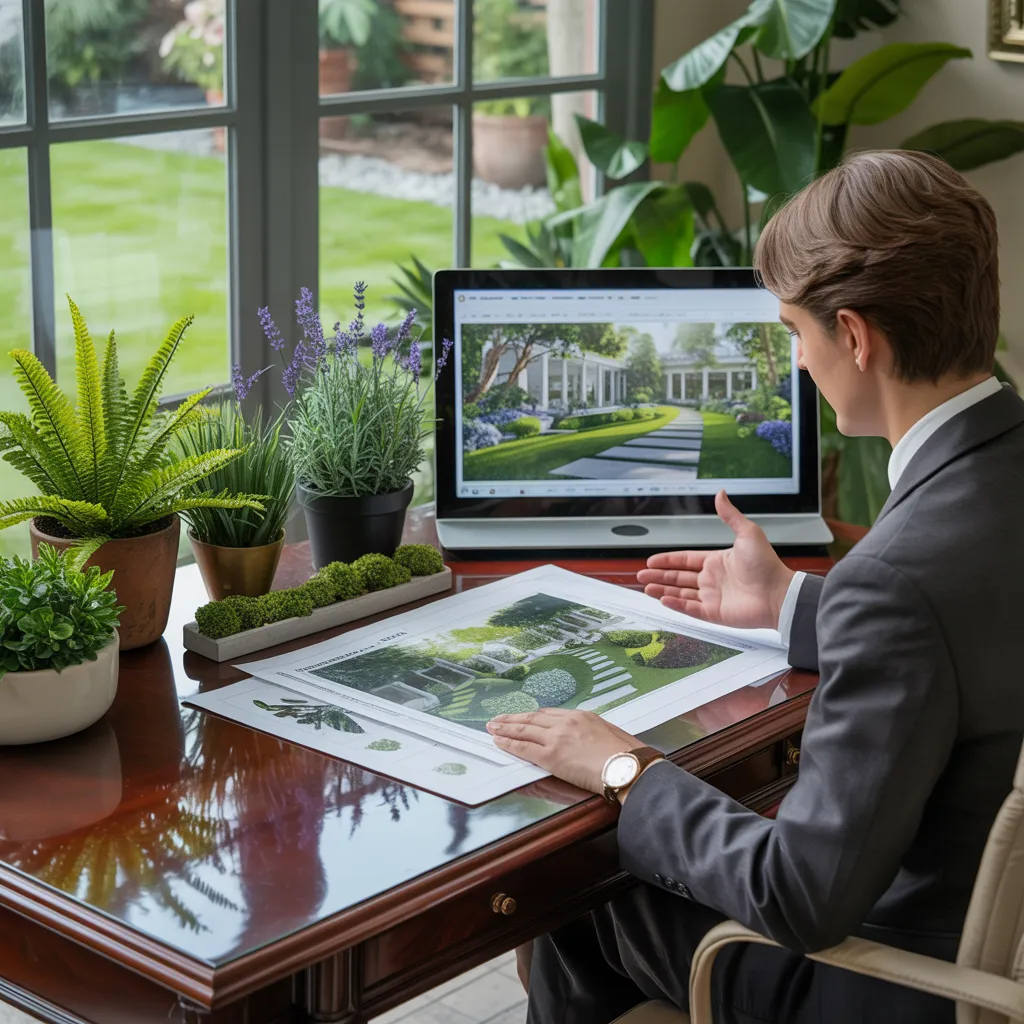
Analyze Your Yard to Set Your Landscape Design Goals
Before beginning any landscaping effort, it is essential for homeowners to thoroughly assess their outdoor space. This preliminary assessment facilitates them to understand the distinct characteristics of their yard, such as light exposure, ground quality, and current vegetation. Finding these elements supports in choosing what varieties of design features and landscape can be successfully integrated into the area.
Homeowners should take measurements and document any obstacles such as vegetation, barriers, or pathways that could affect the design. Additionally, recognizing individual tastes and living get started requirements—such as entertainment spaces, growing plants, or relaxation—can guide the landscaping goals. By clearly defining these goals, property owners set a strong base for a unified and practical outdoor environment. This thoughtful assessment results in a more successful and satisfying landscaping project, guaranteeing the exterior environment not just enhances the home's aesthetic but also satisfies the functional requirements of its residents.
Pick the Ideal Plants for Your Area's Weather
Choosing the right plants for a particular region is essential for establishing a flourishing exterior environment. Understanding regional climate conditions, including heat levels, precipitation, and moisture levels, enables homeowners select vegetation that will thrive. Indigenous vegetation typically adjust best, needing minimal maintenance and water. For copyrightple, drought-resistant varieties are perfect for arid regions, whereas moisture-loving species flourish in moisture-rich environments.
Gardeners should also consider climate variations; choosing vegetation that offers continuous appeal improves the landscape. Early bloomers, summer perennials, and colorful autumn leaves can create a dynamic visual experience. Additionally, speaking with regional nurseries or horticultural resources can provide helpful information into sturdy vegetation adapted for particular environments.
Eventually, a well-planned plant selection not only improves beauty but additionally promotes native fauna and advances ecological health, making it a wise choice for any outdoor space transformation.
Enhance Your Garden With Structural Outdoor Design Elements
Functional hardscaping elements prove essential in creating exterior layouts and increasing their functionality. By incorporating seating areas and well-designed pathways, homeowners can create inviting environments that encourage rest and activity. Additionally, borders can help delineate different zones within the garden, adding structure and visual interest.
Create Your Garden Space
Creating a strategically designed outdoor space can reimagine a yard into a peaceful sanctuary. One proven approach to achieve this is through practical hardscape features, which create organization and visual order. Pathways made from stone or masonry guide visitors while creating visual appeal. Retaining structures can establish tiered levels, enhancing the garden's overall design and avoiding erosion. Barriers or screens can delineate borders, ensuring seclusion and a sense of enclosure. Adding elevated planting areas not only establishes growing zones but also improves accessibility. These elements operate in harmony to establish separate areas that improve both visual appeal and practicality. Ultimately, a clearly structured outdoor space fosters a serene environment where homeowners can unwind and appreciate the outdoors.
Include Sitting Spaces
Incorporating seating areas into an exterior environment greatly improves its functionality and visual interest. By integrating functional hardscaping elements, homeowners can establish welcoming areas for rest, gathering, or appreciating the outdoors. Options include benches, patio sets, or hammocks, each adding to the landscape's visual charm and comfort. Strategically placing seating near prominent areas like plantings or decorative pools, encourages users to engage with their surroundings. Additionally, using materials like stone or wood can complement the garden's design, maintaining design consistency. Shade structures, such as pergolas or umbrellas, ensure relaxation during hot weather, keeping these spaces accessible year-round. Ultimately, well-designed seating areas reimagine a basic yard into a welcoming retreat for guests and loved ones.
Create Pathways And Edges
Pathways and borders are important features in exterior design, guiding explorers within your garden while improving its compositional strength. These create organization and flow, aiding in the definition of distinct areas and plant selections. Stone, gravel, or brick materials can construct permanent walkways, whereas natural borders from plants or decorative dividers improve beauty. Pathways can facilitate investigation, highlighting focal points such as garden beds or water features. Well-designed borders prevent unwanted vegetation and landscape degradation, enhancing garden vitality. In summary, adding pathways and borders boosts utility and adds visual sophistication to your exterior space, creating environments that are more welcoming and satisfying.
Establish Flow With Walkways and Seating Spots
A well-planned garden setting typically includes a balanced circulation established through deliberately situated walkways and rest zones. Walkways direct guests across the garden, providing a definite sense of orientation while enriching the general visual quality. Selecting options such as wood, stone, or gravel can add to the walkway's aesthetic value and ensure longevity.
Sitting spaces create pause areas, inviting guests to sit and value the surroundings. Positioning seating strategically beside focal features, like a waterfall or a flower display, promotes involvement with the garden. Your seating preference—benches, chairs, or even lounges—influences the vibe, whether casual or sophisticated.
Incorporating both pathways and seating fosters an inviting environment, enhancing usability and enjoyment. Together, they create a seamless shift between different areas of the garden, promoting exploration and relaxation, ultimately transforming any outdoor space into a tranquil retreat.
Enhance Your Landscape With Seasonal Hues and Variety
To strengthen the visual attractiveness of a landscape, deliberate curation of seasonal plantings is essential. Blending diverse textural characteristics can introduce layers and fascination, meanwhile deliberately arranged focal areas can command views and forge a balanced plan. Each feature together ensure a vibrant and dynamic garden environment during the entire year.
Decide on Season-Specific Plants Wisely
Choosing plants for different seasons wisely can transform any garden into a vibrant tapestry of color and texture. By picking plants with staggered blooming periods, gardeners can ensure an ongoing showcase of flowers. Spring bloomers, summer-flowering plants, fall perennials, and winter evergreens each add distinctive colors and shapes to the landscape. It is important to consider local climate conditions and soil types, as well as the plants' growing patterns. Regional native plants often thrive better and require less maintenance, enhancing biodiversity. Additionally, combining plants with varying heights and bloom times can achieve an engaging visual presentation. Ultimately, mindful plant choices fosters a landscape that changes with seasonal shifts, delivering enjoyable displays throughout all seasons.
Develop Texture Combinations To Create Depth
Establishing depth in a garden requires combining textures that accent and improve seasonal shades. By integrating diverse plant species with different leaf patterns, heights, and color schemes, one can achieve a visually dynamic landscape. For instance, blending large-leaved plants with soft grasses can create contrast and intrigue. Additionally, integrating bark, stones, and other natural materials introduces tactile elements that enrich the overall experience. Flowering displays should be thoughtfully placed to offer color bursts across seasons, ensuring that each layer remains visually interesting. This thoughtful arrangement not only draws the eye across the garden but also fosters an immersive atmosphere where each element reinforces the garden's beauty and equilibrium.
Feature Design Elements Strategically
Deliberately placing visual focal elements can greatly improve a garden's visual charm and seasonal energy. These key visual elements act as visual magnets that focus attention and establish harmony. Gardeners can utilize elements such as sculptures, ornamental trees, or vibrant flower beds to introduce visual excitement. Blooming displays can be integrated through the mindful selection of plants with staggered flowering ensuring that the garden remains dynamic throughout the year. Textural contrasts also play a significant role; combining smooth stone paths with rough bark or lush foliage adds depth. By strategically positioning these components, a gardener can create an inviting atmosphere that encourages exploration and appreciation, turning a garden into an enticing escape.
Adopt Eco-Friendly Methods for a Vibrant Garden
Embracing eco-friendly approaches is important for cultivating a flourishing garden that performs well in balance with the environment. Horticulturists are urged to employ native plants, which need minimal water and attention while supporting local wildlife. Implementing sustainable cultivation practices, such as organic waste conversion and natural pest control, can significantly cut chemical applications, promoting a improved ecosystem
Water conservation approaches, such as precision irrigation and rain capture, optimize green practices by enhancing resource efficiency. Using mulch layers not only maintains moisture but also reduces weeds, lowering the requirement for chemical weed control. Additionally, supporting ecological diversity by including a variety of plants promotes resistance to harmful organisms as well as infections.
Soil health is critical; practices such as crop cycling and cover cropping keep nutrient balance excluding the need for synthetic nutrients. By implementing such green practices, gardeners can create a vibrant space that promotes both plants and the natural world, creating a greater horticultural experience.
Manage Common Problems for Year-Round Landscape Beauty
A carefully-tended area can face various obstacles across seasons, influencing its combined appearance plus vigor. Typical problems encompass pest outbreaks, nutrient deficiencies, as well as limited water. Detecting pests early is essential; gardeners should routinely check plant parts for damage indicators and address infestations applying organic pesticides alternatively introducing predatory insects.
Nutrient shortages frequently appear as yellowing leaves or limited growth. Doing soil analysis can help identify distinct necessities, enabling for targeted fertilization Nutrient deficiencies commonly manifest as discolored leaves along with limited growth. Performing soil tests can enable pin down individual necessities, permitting precise nutrient application re-establishing equilibrium. Furthermore, guaranteeing correct watering is vital; overwatering can lead to root decay, while too little water strains growing things.
Weather transitions furthermore demand adaptations to plant care. Throughout winter, mulching guards roots against ice, while warm months might call for additional water along with shade protection for delicate plants. Through addressing these standard difficulties promptly
Can I Perform Outdoor Work Myself or Hire a Expert?
One can certainly manage landscape designs independently, tapping into internet information and innovation. However, engaging an expert ensures knowledge, speed, and improved output, especially for intricate layouts or substantial jobs that require specialized skills.
Which Tools Are Required for Home Garden Work?
Essential equipment for home landscaping include a rake, spade, shovel, pruning shears, garden cultivator, and a irrigation hose or garden watering can. These tools assist effectively handling dirt, plants, and comprehensive garden care, providing effective landscaping.
What Methods Should I Take to Care for My Landscape Across the Calendar Year?
To keep a yard vibrant across the seasons, routinely shape garden plants, spread wood mulch for insulation, check moisture levels, and apply seasonal planting strategies. Also, pest management and fertilization are required for vibrant, healthy growth.